For many entrepreneurs, choosing a business is about more than finding a market opportunity. It can also mean building something that provides a valuable service to families and the local community. An education franchise offers the opportunity to do both. A children’s learning business can serve families while helping students build knowledge and skills they can use throughout school and beyond.STEM education supports this goal by giving children opportunities to ask questions, solve problems, test ideas, and learn from results. For prospective franchise owners, this creates the opportunity to build a local business around an educational experience that families value.
Preparing Children for More Than a Future Career
When people hear “skills for the future,” they may immediately think about careers. However, children can benefit from developing critical thinking, problem-solving, communication, adaptability, and collaboration skills long before they enter the workforce.A strong educational program gives students opportunities to practice these skills while learning academic concepts. As technology and careers continue to change, helping children become thoughtful and adaptable learners can give them a foundation they can continue building on as they grow.
Why Hands-On STEM Learning Matters
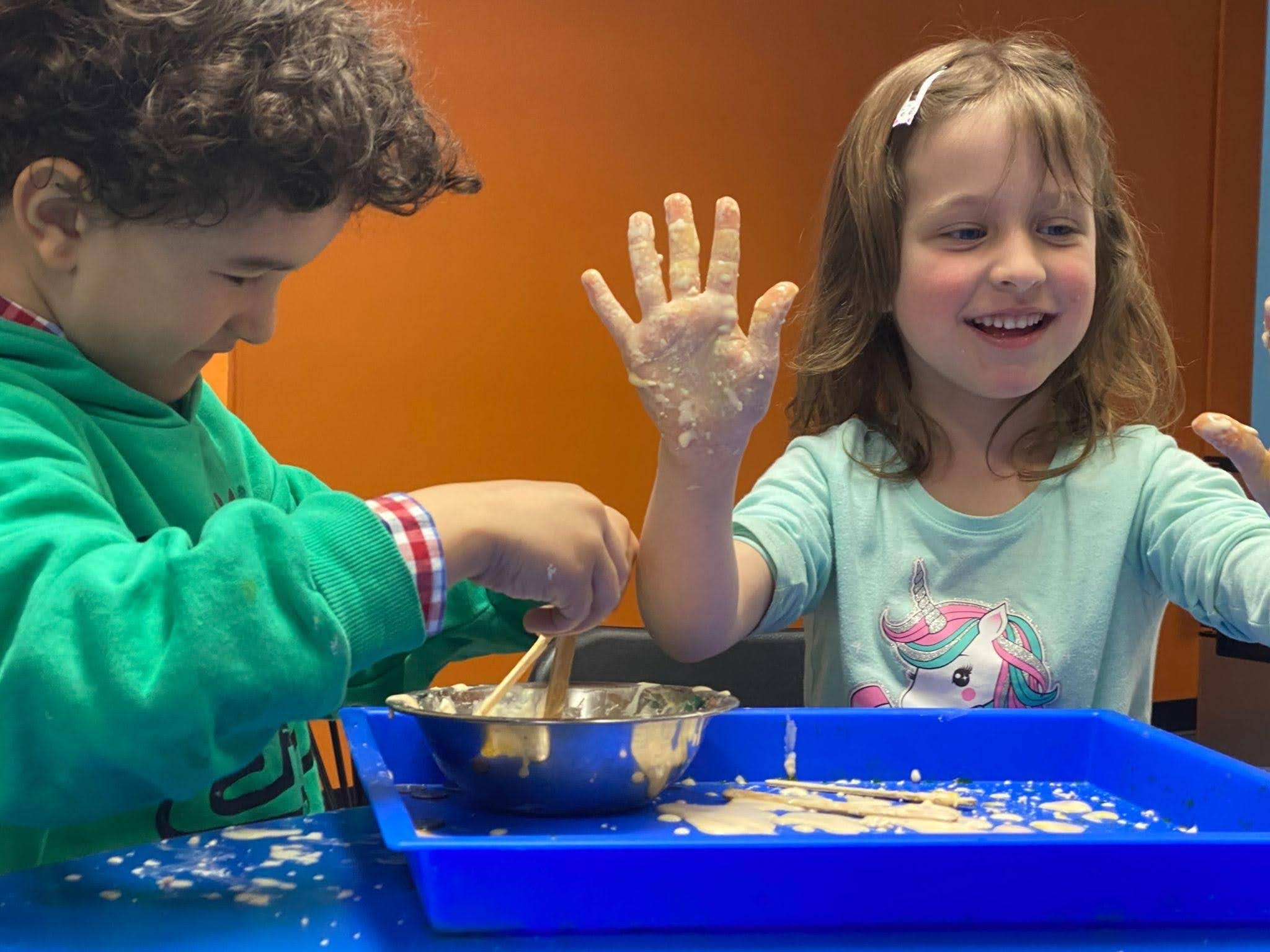
Reading and instruction can introduce scientific and mathematical concepts, while hands-on learning gives children opportunities to apply them. An engineering challenge might require a student to revise a design, while a coding project can encourage them to identify a problem and determine what needs to change.These experiences can make abstract concepts easier to explore and understand.STEM programs for children across areas such as science, coding & AI, robotics, electricity & electronics, and mathematics can provide different ways for students to explore their interests while developing practical skills.
Helping Children Become Better Problem-Solvers
Problem-solving is useful far beyond a science experiment or math exercise. STEM activities can encourage children to identify a problem, ask questions, apply what they know, test possible solutions, and adjust their approach based on the results.Through this process, children become more active participants in their learning rather than simply waiting for an answer. These abilities can remain valuable even if a child does not pursue a STEM career because learning how to approach unfamiliar challenges thoughtfully can help in many subjects and situations.
Creating Space for Curiosity
Children are naturally curious about how the world works. STEM education can turn questions such as “Why did that happen?” and “What if I change this?” into learning opportunities that encourage students to investigate ideas and make connections.Unexpected results can also become part of the learning process. If an experiment produces a surprising outcome or a robot does not perform as intended, students can examine what happened, make adjustments, and try again, building persistence alongside their knowledge.
Supporting Different Learning Needs
Children do not enter an educational program with identical knowledge or needs. One student may need additional help with a concept, while another may be ready for a greater challenge, making flexibility an important part of the learning experience.Personalized instruction can help account for those differences by considering what a child already understands and where additional support may be useful. For prospective franchise owners, this highlights why the quality of the student experience should be considered alongside the systems and support behind the business.
Serving Children, Families, and the Community
An education franchise becomes part of the community it serves. Families may be looking for academic support, enrichment programs, after-school activities, camps, or opportunities for their children to explore interests beyond the regular school day.An education center can help meet these needs while building relationships with families, schools, and community organizations. For franchise owners, sustainable growth is closely connected to providing educational experiences that parents understand, trust, and find valuable for their children.
What Prospective Education Franchise Owners Should Consider
Choosing an education franchise requires evaluating both the business model and the student experience. Prospective owners should understand factors such as investment, training, operational systems, programs, marketing support, and territory while considering how the educational model serves children and families.Understandingwhat to look for in a children’s education franchise also means thinking from a parent’s perspective. Consider whether the curriculum has educational substance, whether instruction can address different learning needs, and whether students have opportunities to continue developing their knowledge and skills over time.
Bringing Education and Entrepreneurship Together
A business that serves children comes with an important responsibility because families are trusting the educational provider with their children’s time and development. For entrepreneurs who value education, an education franchise can combine established business systems with the opportunity to provide meaningful learning experiences in their community.Stemtree offers K-12 programs in science, coding & AI, robotics, electricity & electronics, and mathematics, combining hands-on activities with personalized instruction. For entrepreneurs interested in building a business around this type of learning experience, theStemtree franchise opportunity combines its educational model with training and ongoing franchise support.
Key Takeaways
An education franchise can combine entrepreneurship with serving children, families, and the community.
STEM education can help children practice critical thinking and problem-solving.
Hands-on learning gives students opportunities to apply concepts and learn from results.
Personalized instruction can support students with different learning needs.
Prospective franchisees should consider both the business model and the student experience.
A strong educational experience can help learning centers build meaningful relationships with families.

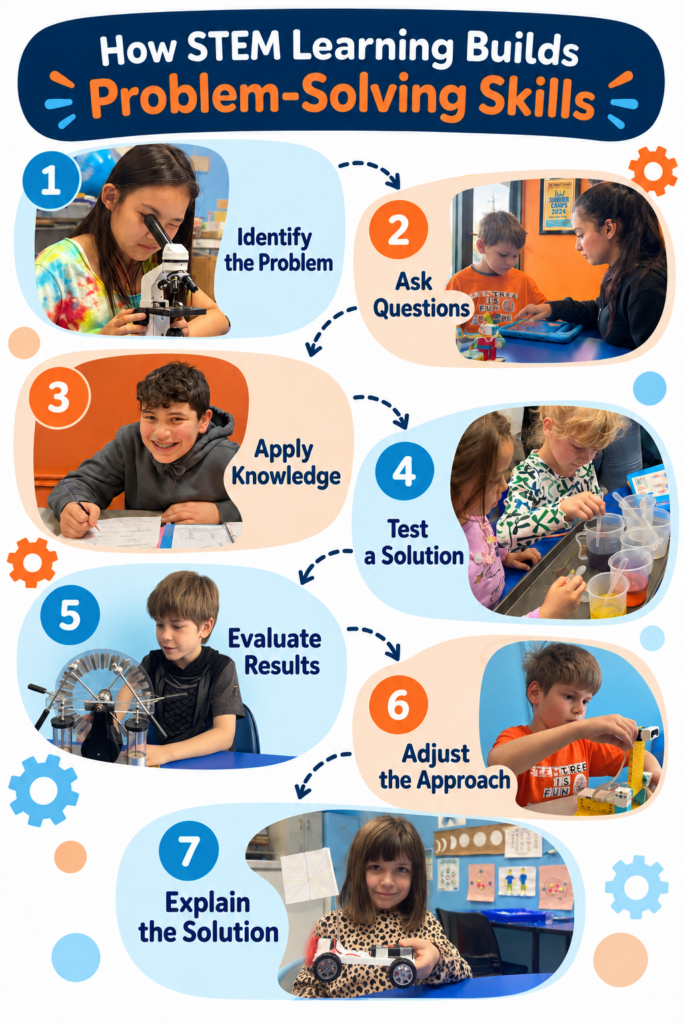 Problem-solving is useful far beyond a science experiment or math exercise. STEM activities can encourage children to identify a problem, ask questions, apply what they know, test possible solutions, and adjust their approach based on the results.
Through this process, children become more active participants in their learning rather than simply waiting for an answer. These abilities can remain valuable even if a child does not pursue a STEM career because learning how to approach unfamiliar challenges thoughtfully can help in many subjects and situations.
Sorry, the comment form is closed at this time.